
Why "personal" is doing most of the work in that phrase
Anyone can buy a miniature. Hobby shops and online marketplaces are full of pre-sculpted figures in every style you could want, dragons, soldiers, generic fantasy adventurers, sold by the thousand from the same digital file. What you can't buy off a shelf is a miniature of a specific person, in a specific pose, wearing a specific outfit, sculpted from an actual photo of them. That's the entire difference between a miniature and a personal one, and it changes almost everything about how the piece gets made.
A mass-produced miniature is designed once and printed however many thousand times it sells. A personal one is designed once, period, for one order, and never reused. That means every step, the sculpting, the support placement, the paint scheme, gets decided fresh instead of pulled from a template. It's slower. It's also the only way to end up with something that actually looks like the person you sent a photo of, instead of a generic figure wearing their favorite color.
What a home printer can and can't do
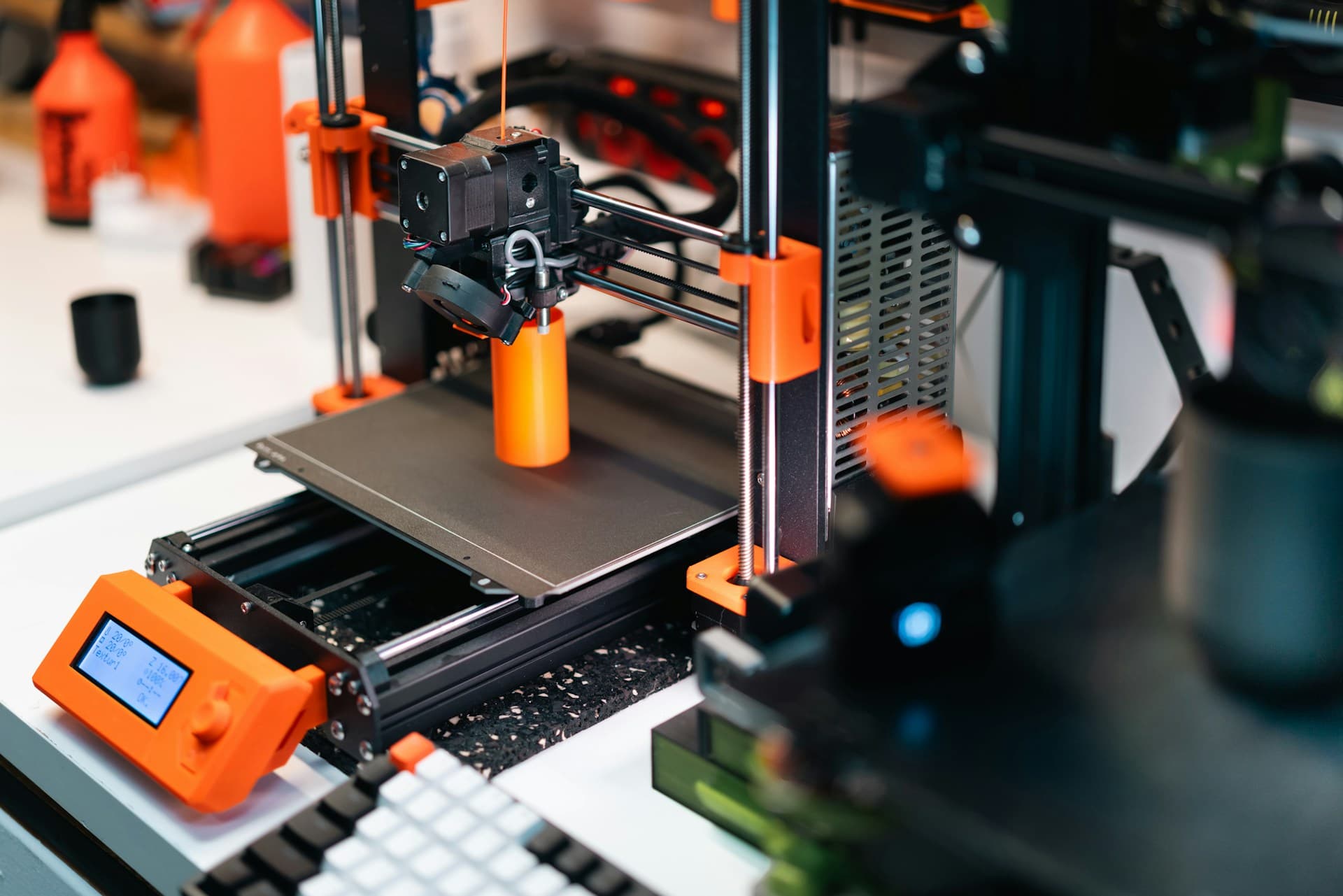
We get asked fairly often whether someone could just print this themselves with a desktop machine, and the honest answer is partially. A decent FDM printer in the same price range as a nice espresso machine can absolutely produce a recognizable miniature. What it usually can't do on its own is the sculpting. Most people printing a miniature at home are downloading a file someone else made, not building the 3D model of a specific face from a photo, which is the part of this process that takes actual artistic skill rather than machine capability.
Print quality on a home setup also varies more than people expect based on how well the machine is tuned. Nozzle temperature, bed adhesion, retraction settings, and cooling fan speed all interact in ways that show up as stringing, layer shifts, or warped bases if any one of them is off. A printer running perfectly on a Tuesday can produce a slightly warped print on a Wednesday if the room temperature dropped ten degrees overnight. Professional setups deal with the same physics, we just run enough volume that tuning drift gets caught before it reaches a customer.
The steps between a photo and a finished piece
Getting from your photo to something sitting on a shelf involves more separate stages than people assume going in.
- Photo review, checking that lighting and resolution are good enough to sculpt from accurately
- 3D modeling, where an artist builds the figure by hand to match your photo, pose, and outfit
- Preview and approval, where you see the digital model before anything physical happens
- Printing, layer by layer, on equipment tuned and monitored specifically for this kind of detail work
- Hand painting, the stage that actually brings the print to life and the one most people underestimate
Skip or rush any one of those and it shows in the final piece. We've seen enough competitors' work returned to us for repair to know exactly which shortcuts leave marks.
Sizing a personal miniature for what you actually want it for
Desk display and tabletop gaming call for different things even though the underlying process is identical. A desk piece benefits from a larger size, our 6.8 or 8.4 inch options, because there's more room for the kind of facial and clothing detail that makes it worth looking at up close. A gaming table piece usually wants to stay smaller and closer to standard miniature scale so it doesn't tower over everything else on the board, which is where our 4.8 inch option tends to land.
Base style matters here too. A display piece can carry an elaborate base, a rock formation, a puddle of water effect, whatever fits the character. A gaming piece needs a base that sits flush and doesn't interfere with movement trays or grid spacing, so we keep those simpler on request.
Getting a good result from your side of the process
The single biggest factor in how well a personal miniature turns out isn't the printer, it's the photo. A blurry, poorly lit, or heavily filtered source photo limits what any sculptor can do, no matter how good they are. Front-facing, well-lit, and free of sunglasses or hats covering the face gives our artists the most to work with. If you've got a photo you love but you're not sure it's usable, send it anyway. We'll tell you honestly if we need something better before we start sculpting, rather than guessing and hoping.
If you're ready to start, our studio walks you through uploading a photo and picking a size. If you want to see finished examples first, or you're shopping for a specific occasion like a graduation or an anniversary, our occasion pages show real pieces built for exactly that.